
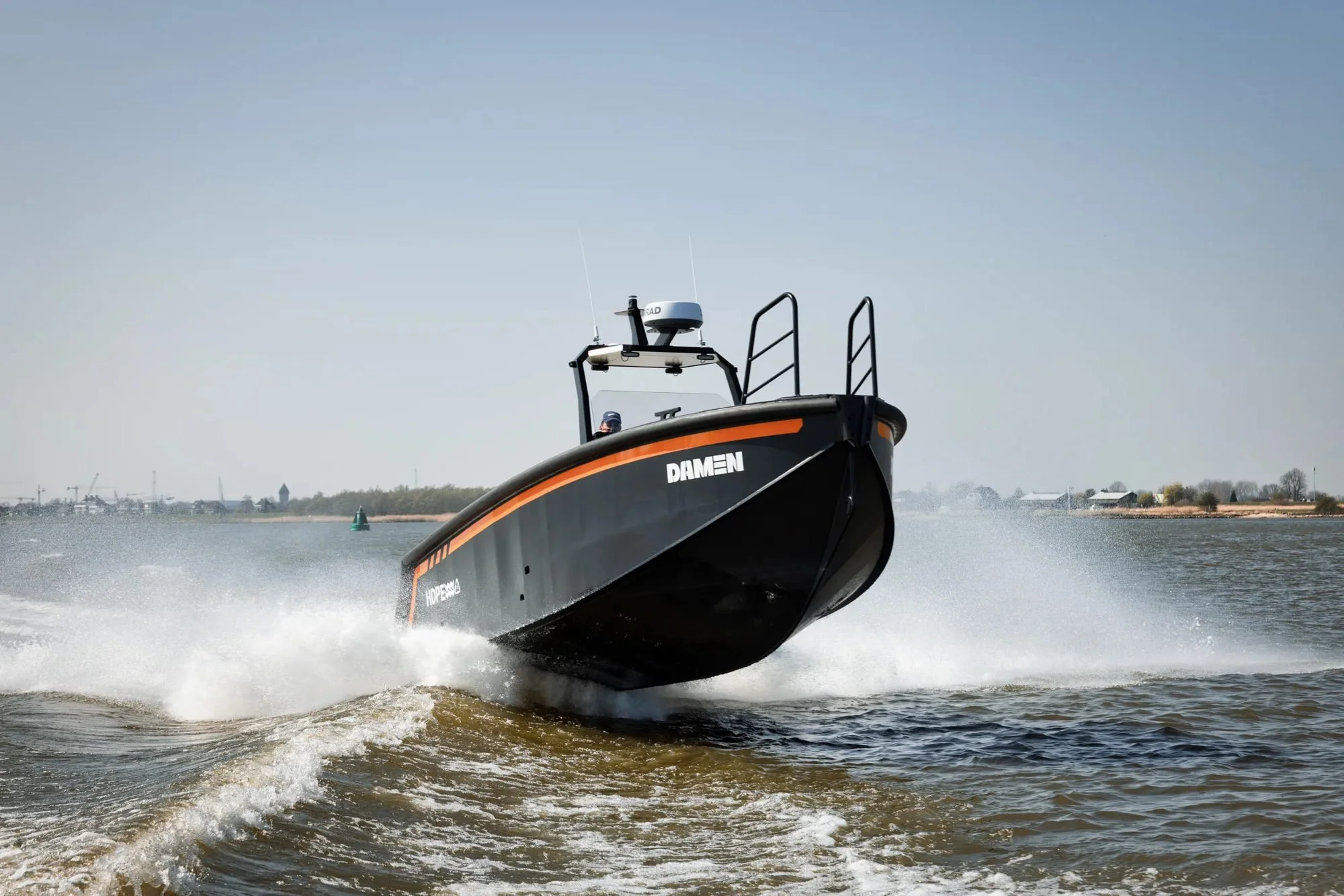
WHY HDPE?
Advanced Material. Operational Advantage.
High-density polyethylene (HDPE) is a tough thermoplastic material with properties well suited to professional marine construction. Its impact resistance, corrosion resistance, and repairability offer a practical alternative to conventional hull materials.
01Impact Resistance
Designed to Absorb Impact.
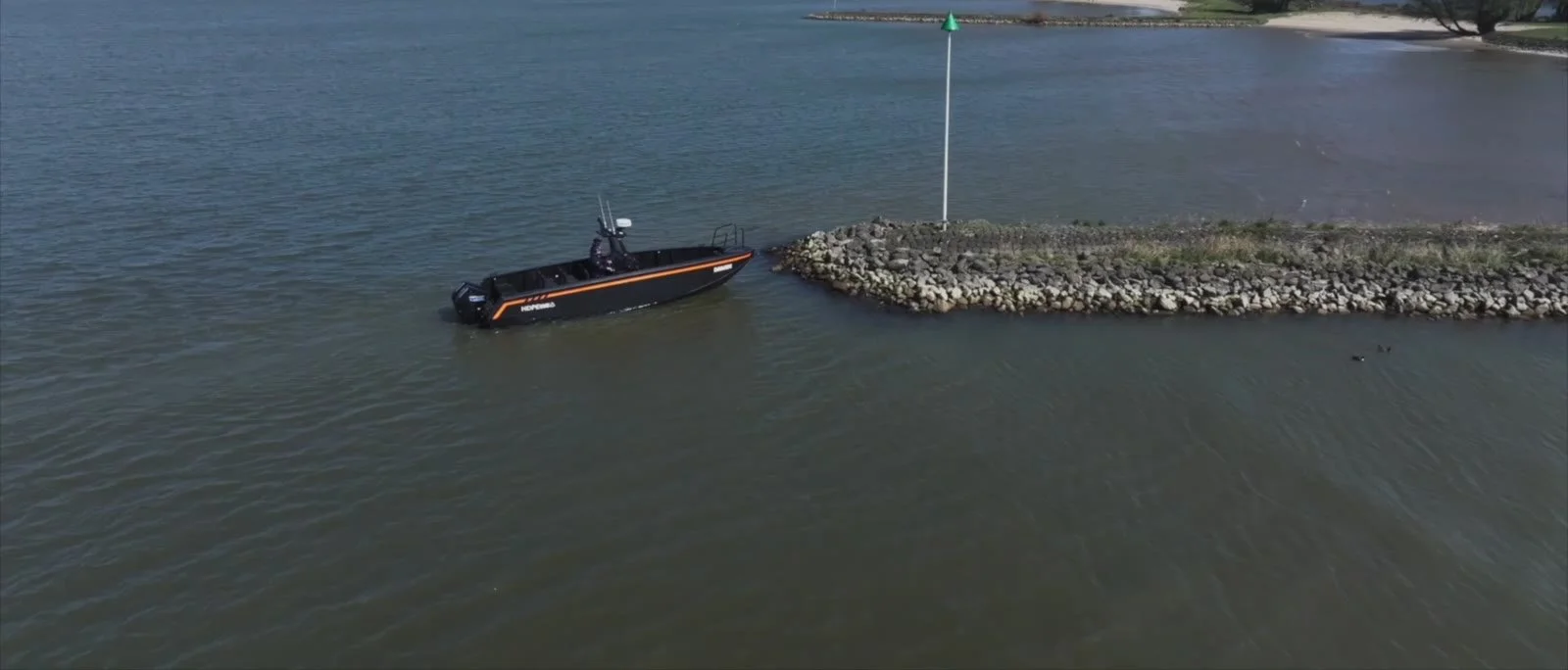
HDPE can absorb impact energy and deform under load, helping vessels tolerate contact with docks, debris, and shorelines. Actual performance depends on vessel design, impact severity, and operating conditions.
02Corrosion Resistance
No Galvanic Corrosion of the HDPE Hull.
Unlike metallic hull materials, HDPE does not undergo galvanic corrosion. Installed metal components and equipment may still require conventional corrosion protection.
03Reduced Maintenance
More Time Operating.
HDPE does not require conventional topside painting for corrosion protection. Color can run throughout the material, and certain types of damage can be repaired using appropriate thermoplastic welding methods.
04Buoyancy Characteristics
Material Properties That Matter.
HDPE has a density below that of freshwater and contributes positive material buoyancy. Total vessel buoyancy and stability depend on the complete vessel design and loading.
05Recyclability
A Recyclable Thermoplastic.
HDPE can be recycled through suitable material recovery processes, subject to available facilities and the condition of the material.
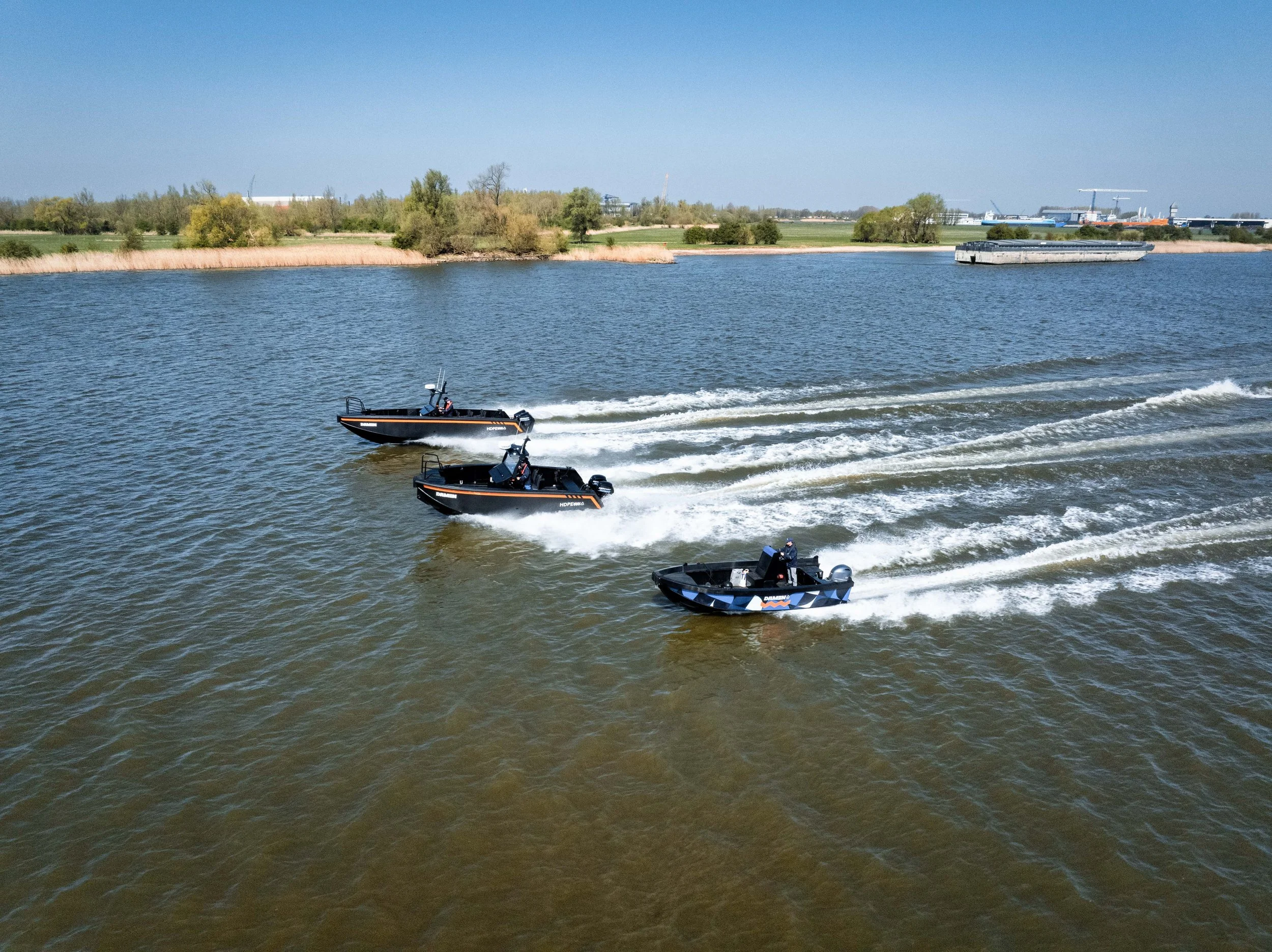
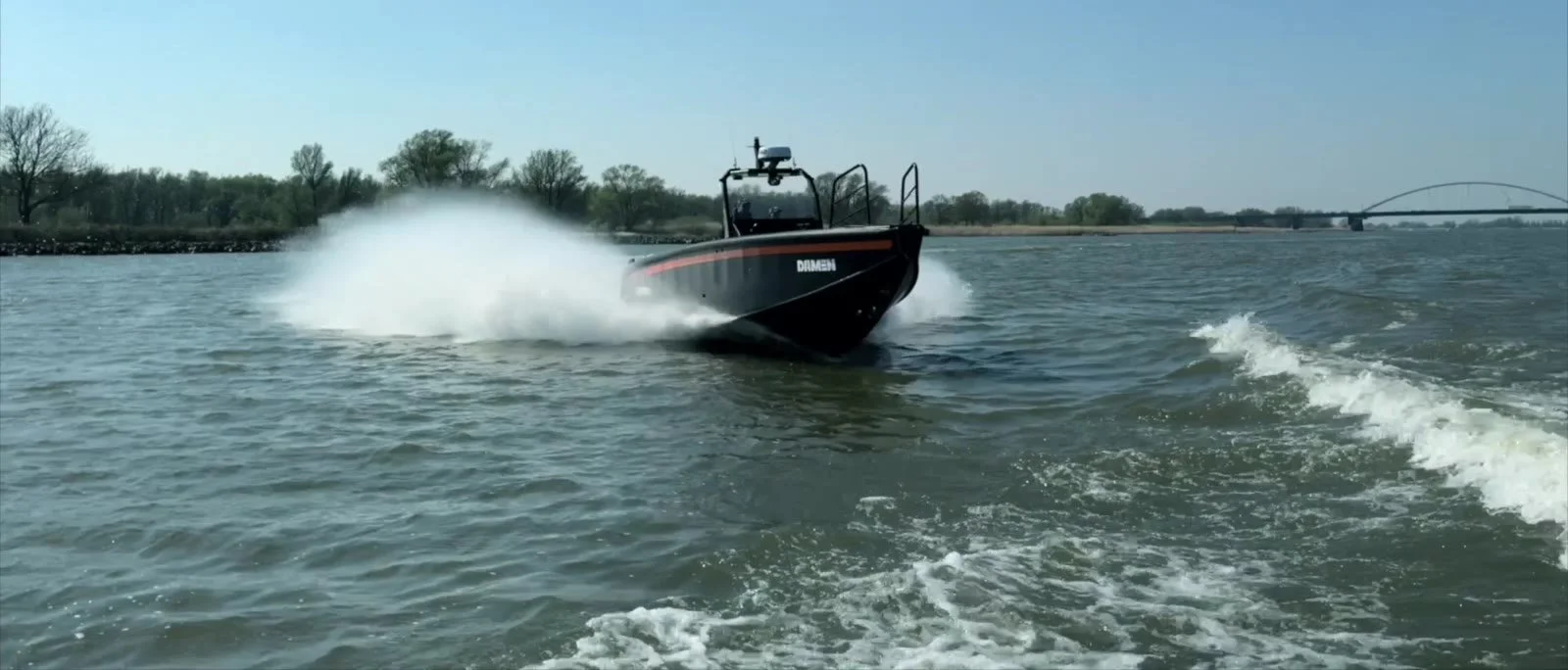
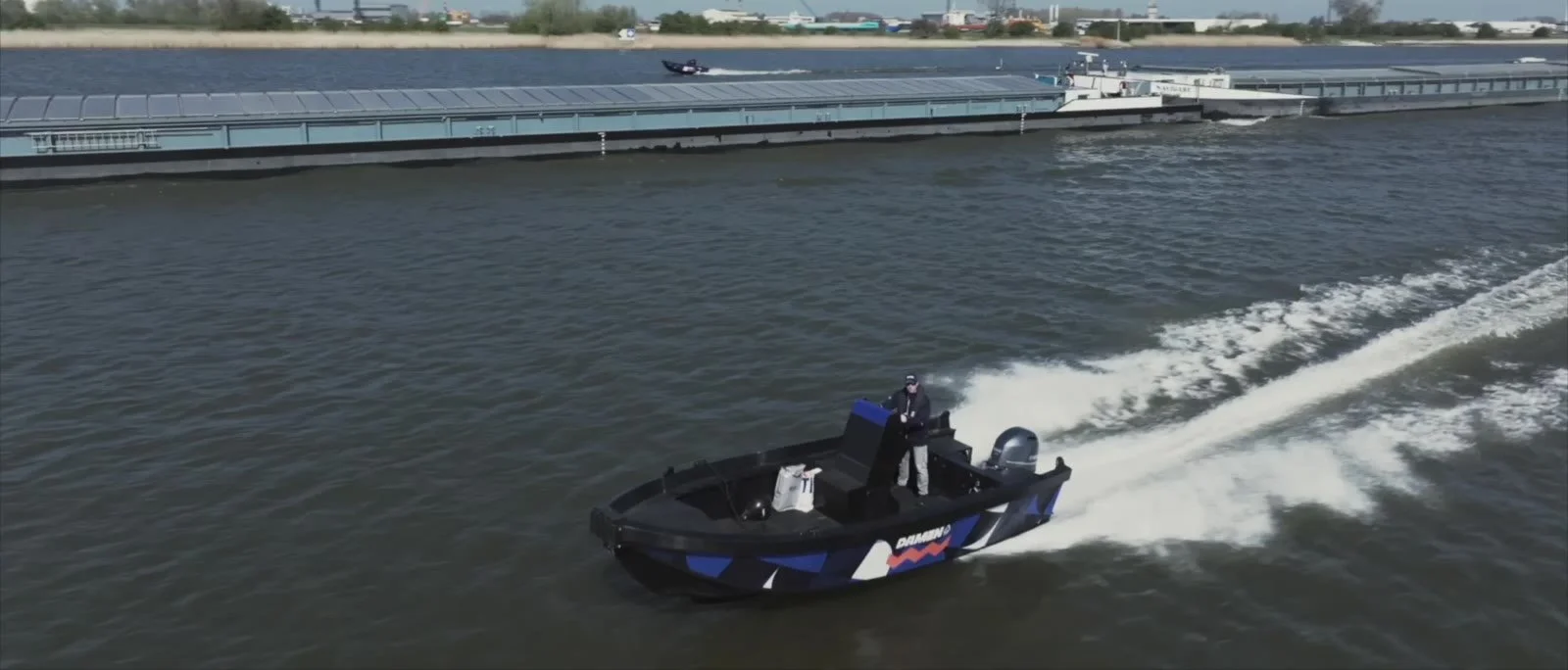
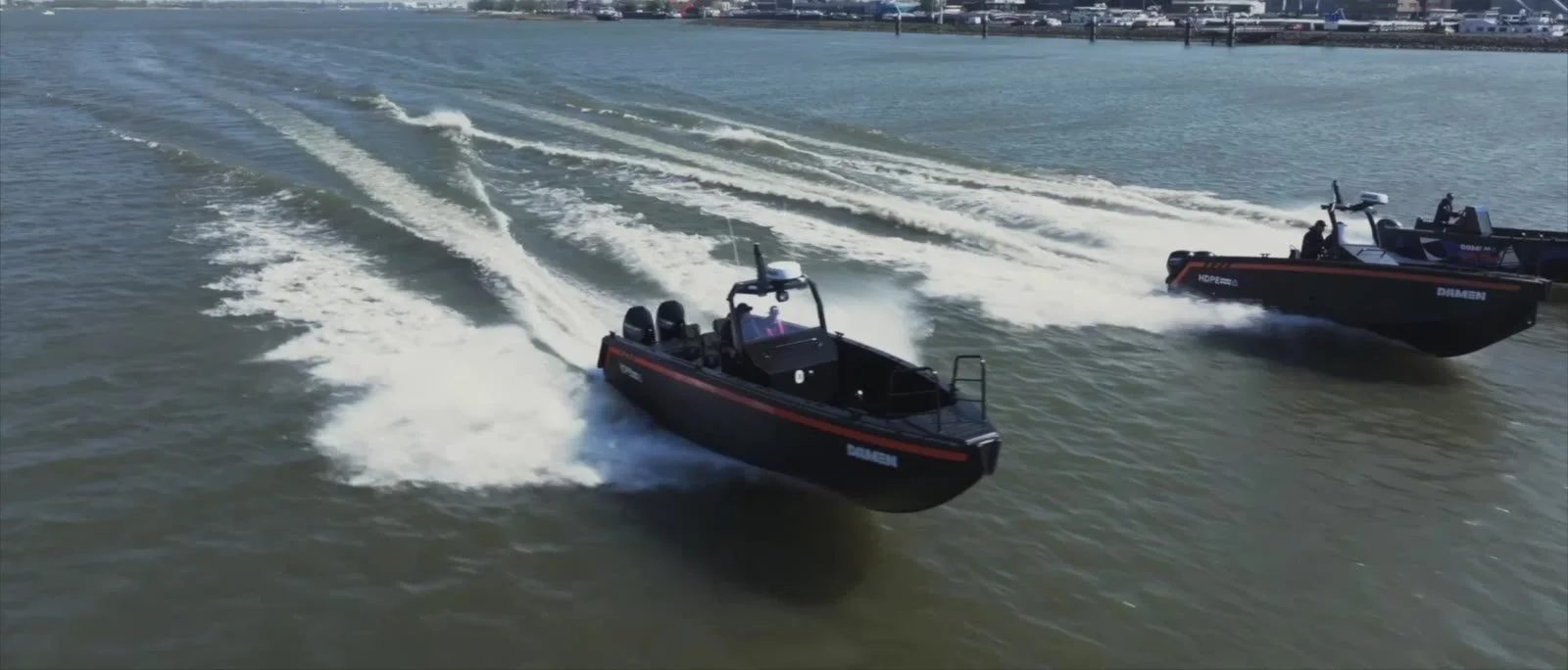
The Operational Case
Hull durability, maintenance requirements, repairability, and vessel availability all influence long-term fleet performance. TUFFSEA applies HDPE technology to boats built for demanding professional use.